How Often Should You Get a Colonoscopy? Screening Guidelines for Huntsville, TX Patients
Colonoscopy screenings play an important role in protecting digestive health and detecting colon cancer early. Many people know that colonoscopies are recommended at a certain age, but they may not know how frequently screenings should be repeated.
Understanding the recommended screening intervals can help patients maintain their digestive health and ensure potential issues are detected as early as possible.
For patients in Huntsville, Texas, colonoscopy screenings are commonly recommended as part of routine preventive healthcare.
Why Colonoscopy Screening Is Important
A colonoscopy allows a gastroenterologist to examine the inside of the colon and rectum for abnormalities such as polyps, inflammation, or signs of disease.
Polyps are small growths that can develop on the lining of the colon. Some polyps may become cancerous over time if they are not detected and removed.
Because colonoscopy allows physicians to detect and remove polyps during the procedure, it remains one of the most effective screening methods for colorectal cancer.
Patients interested in learning more about digestive health procedures can review the services available through the clinic’s procedures page: https://www.woodlandsgastroenterology.com/procedures/
Recommended Colonoscopy Schedule for Average-Risk Adults
For most adults with average risk, colonoscopy screening typically begins at age 45.
If no polyps or abnormalities are found during the procedure, the next colonoscopy is often recommended every 10 years.
This schedule allows physicians to monitor colon health while minimizing unnecessary procedures.
However, individual screening intervals may vary based on personal health history and other risk factors.
When Colonoscopies May Be Needed More Often
Some patients may need colonoscopy screenings more frequently than every 10 years.
Factors that may affect screening frequency include:
- Family history of colorectal cancer
- Previous colon polyps
- Inflammatory bowel disease
- Genetic conditions affecting colon cancer risk
- Abnormal findings during prior colonoscopy
A gastroenterologist can determine the most appropriate screening schedule based on your medical history.
You can learn more about how digestive health specialists evaluate and treat gastrointestinal conditions here: https://www.woodlandsgastroenterology.com/what-does-a-gastroenterologist-do/
Colonoscopy Screening for Patients With Symptoms
While many colonoscopies are performed as preventive screenings, the procedure may also be recommended when patients experience certain symptoms.
Symptoms that may require evaluation include:
- Blood in the stool
- Persistent abdominal pain
- Unexplained weight loss
- Changes in bowel habits
- Chronic diarrhea or constipation
In these cases, a colonoscopy can help identify potential causes and guide appropriate treatment.
Colonoscopy Care for Huntsville Area Patients
Patients in Huntsville and nearby communities including Conroe, Trinity, and Madisonville often schedule colonoscopy screenings as part of routine digestive health care.
Preventive screenings allow doctors to identify and address potential issues early.
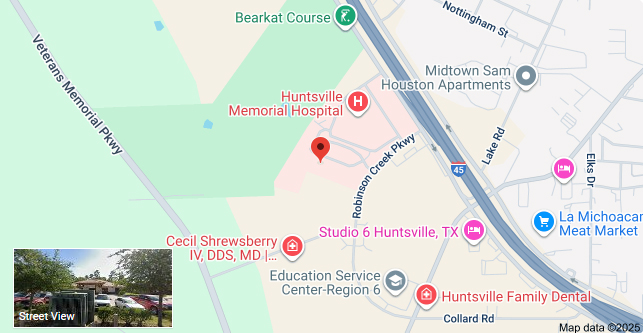
If you live in the Huntsville area and are approaching the recommended screening age or have digestive symptoms that need evaluation, specialized care is available locally.
Patients can learn more about scheduling an appointment here: https://www.woodlandsgastroenterology.com/huntsville/
Conclusion
Understanding how often you should get a colonoscopy is an important part of maintaining long-term digestive health.
For many adults, screenings begin at age 45 and are repeated every 10 years when results are normal. However, some patients may require more frequent screenings depending on their medical history and risk factors.
Patients in Huntsville, Texas, who have questions about colonoscopy screening or digestive health concerns can schedule a consultation with Center for Digestive Disease to discuss their screening needs and digestive health goals.