A colonoscopy is commonly associated with colorectal cancer screening, but cancer prevention is only one reason a gastroenterologist may recommend the procedure. A colonoscopy provides a detailed view of the colon and rectum, helping physicians identify abnormalities and investigate certain gastrointestinal symptoms.
For patients in Huntsville, Texas, understanding what a colonoscopy can detect can make it easier to have an informed conversation with a gastroenterologist about screening or unexplained digestive concerns.
What Happens During a Colonoscopy?
During a colonoscopy, a physician uses a long, flexible instrument called a colonoscope. A small camera at the end allows the physician to examine the lining of the colon and rectum.
Depending on what is found, tissue samples may be collected or polyps may be removed for further evaluation.
Center for Digestive Disease provides additional information about the procedure on its colonoscopy service page:
https://www.woodlandsgastroenterology.com/procedures/colonoscopy/
Can a Colonoscopy Detect Colon Polyps?
Yes. Detecting colon polyps is one of the important purposes of colonoscopy.
Polyps are growths that form on the lining of the colon. Although many polyps are not cancerous, certain types can develop into colorectal cancer over time.
One advantage of colonoscopy is that a physician may be able to remove polyps during the same procedure. Removed tissue can then be examined to determine its characteristics.
Finding and removing precancerous polyps is one reason routine colorectal cancer screening is important even for people who do not have digestive symptoms.
Can a Colonoscopy Detect Colorectal Cancer?
A colonoscopy can identify suspicious areas or growths that may require further testing for colorectal cancer.
If abnormal tissue is found, a physician may take a biopsy. The tissue is then examined to determine whether cancer or another condition is present.
Colorectal cancer may not cause noticeable symptoms during its early stages. That is why screening recommendations are based on factors such as age and individual risk rather than symptoms alone.
Can a Colonoscopy Find the Cause of Rectal Bleeding?
While many colonoscopies are performed as preventive screenings, the procedure may also be recommended when patients Rectal bleeding can have several possible causes. A colonoscopy may be recommended to investigate bleeding and determine whether it is associated with a condition affecting the colon or rectum.
Possible findings can include polyps, inflammation or other abnormalities.
Blood in or around the stool should not automatically be assumed to be hemorrhoids. New, unexplained or persistent bleeding deserves medical evaluation so the underlying cause can be determined.
Can a Colonoscopy Help Evaluate Changes in Bowel Habits?
A gastroenterologist may recommend colonoscopy when persistent bowel changes cannot be adequately explained through an initial evaluation.
Symptoms that may lead to further investigation include:
- Persistent diarrhea
- Chronic constipation
- Significant changes in normal bowel habits
- Unexplained rectal bleeding
- Ongoing abdominal discomfort
Having one of these symptoms does not necessarily mean a serious disease is present. The appropriate testing depends on the patient’s symptoms, age, medical history and other risk factors.
Center for Digestive Disease lists colonoscopy along with other gastrointestinal testing on its GI procedures page: https://www.woodlandsgastroenterology.com/procedures/
Can a Colonoscopy Detect Inflammation?
A colonoscopy allows a physician to directly examine the lining of the colon for areas of inflammation or other visible changes.
When appropriate, biopsies can be obtained to provide additional information. This can be useful when a physician is evaluating possible inflammatory conditions of the digestive tract.
The findings from the procedure are considered alongside symptoms, laboratory testing, medical history and other diagnostic information before a diagnosis is made.
Is a Colonoscopy Only for People With Symptoms?
No. Colonoscopy can be used for both screening and diagnostic purposes.
Someone without gastrointestinal symptoms may undergo preventive screening based on age and risk factors. A different patient may need a diagnostic colonoscopy because of bleeding, persistent bowel changes, anemia, abdominal symptoms or another clinical concern.
Patients with a personal or family history of certain colorectal conditions may also need a different screening schedule than someone at average risk.
When Should You Talk to a Gastroenterologist?
If you are due for colorectal cancer screening or have persistent gastrointestinal symptoms, a gastroenterologist can review your health history and determine whether colonoscopy or another form of evaluation is appropriate.
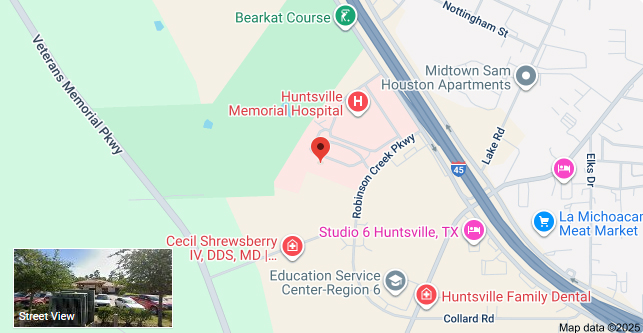
Center for Digestive Disease has a Huntsville office serving patients seeking gastrointestinal and liver care. Huntsville location and appointment information is available here: https://www.woodlandsgastroenterology.com/huntsville/
Seek prompt medical attention for severe symptoms such as heavy or ongoing bleeding, severe abdominal pain, fainting, or other symptoms that could represent an emergency.
Conclusion
A colonoscopy can help physicians identify colon polyps, suspicious tissue, inflammation and other abnormalities while also helping investigate symptoms such as rectal bleeding or persistent changes in bowel habits. The appropriate reason and timing for the procedure varies from patient to patient.
If you are due for screening or have concerns about your digestive health, Center for Digestive Disease can help patients in Huntsville, TX discuss their symptoms, risk factors and appropriate next steps with a gastrointestinal healthcare provider.