Digestive symptoms can range from mild discomfort to signs of more serious gastrointestinal conditions. While occasional stomach upset may not require medical attention, persistent or recurring digestive problems should be evaluated by a specialist.
A gastroenterologist is a physician who focuses on diagnosing and treating conditions that affect the digestive system, including the stomach, intestines, colon, liver, pancreas, and esophagus.
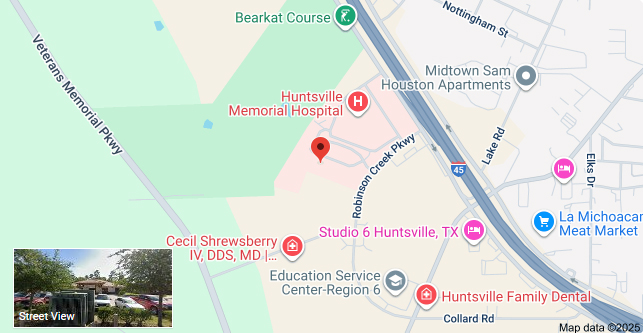
For patients in Huntsville, Texas, understanding when digestive symptoms may require professional evaluation can help ensure timely care and prevent potential complications.
What Does a Gastroenterologist Treat?
AA colonoscopy is a medical procedure used to examine the inside of the large intestine (colon) and Gastroenterologists specialize in diagnosing and managing a wide range of digestive disorders affecting the gastrointestinal (GI) tract.
Common conditions treated by gastroenterologists include:
- Acid reflux (GERD)
- Irritable bowel syndrome (IBS)
- Crohn’s disease
- Ulcerative colitis
- Colon polyps
- Digestive tract bleeding
- Liver disease
- Colon cancer
If you would like to learn more about how a digestive health specialist diagnoses and treats gastrointestinal conditions, you can review additional information on the clinic’s gastroenterology services here:
https://www.woodlandsgastroenterology.com/what-does-a-gastroenterologist-do/
Persistent Abdominal Pain
Ongoing abdominal discomfort is one of the most common reasons patients seek evaluation from a gastroenterologist.
While occasional stomach pain can occur due to diet, stress, or temporary digestive irritation, persistent or severe abdominal pain may indicate an underlying gastrointestinal condition.
Symptoms that may require evaluation include:
- Pain that lasts for several days
- Recurring abdominal discomfort
- Pain accompanied by nausea or vomiting
- Pain associated with changes in bowel habits
A gastroenterologist can evaluate these symptoms and determine whether additional testing or procedures may be necessary.
Changes in Bowel Habits
Changes in bowel habits are another important reason to consider consulting a digestive health specialist.
Symptoms to watch for may include:
- Chronic diarrhea
- Ongoing constipation
- Alternating diarrhea and constipation
- Narrow stools
- Difficulty passing stool
These changes can sometimes be related to diet or lifestyle factors, but persistent symptoms may indicate conditions affecting the colon or digestive tract.
Diagnostic testing, including procedures available through the clinic’s
https://www.woodlandsgastroenterology.com/procedures/ page, may help determine the cause of these symptoms.
Blood in the Stool
Blood in the stool should always be evaluated by a healthcare professional.
This symptom can appear as:
- Bright red blood
- Dark or black stools
- Blood mixed with stool
Although blood in the stool can sometimes be caused by hemorrhoids or minor irritation, it may also indicate conditions affecting the colon or rectum that require medical attention.
A gastroenterologist can determine the appropriate diagnostic approach to evaluate this symptom safely.
Persistent Heartburn or Acid Reflux
Occasional heartburn is common, but frequent or severe acid reflux may require medical evaluation.
Chronic reflux symptoms may include:
- Burning sensation in the chest
- Difficulty swallowing
- Chronic cough
- Hoarseness
- Regurgitation of stomach acid
If these symptoms occur regularly, a gastroenterologist may recommend testing or treatment options to help manage the condition and protect the esophagus.
Unexplained Weight Loss
Before a colonoscopy, patients must follow preparation instructions that help clear the colon so the Unintentional weight loss without changes in diet or activity level can sometimes be associated with digestive system conditions.
This symptom may occur alongside other gastrointestinal issues such as:
- Loss of appetite
- Persistent nausea
- Abdominal pain
- Difficulty swallowing
A comprehensive evaluation by a gastroenterologist may help identify the underlying cause.
When Preventive Screening Is Recommended
In addition to evaluating symptoms, gastroenterologists also perform preventive screenings that help detect potential digestive health concerns early.
Colonoscopy screening is commonly recommended beginning around age 45 for adults with average risk.
These procedures allow physicians to examine the colon for polyps, inflammation, or other abnormalities.
Patients can learn more about available procedures here:
https://www.woodlandsgastroenterology.com/procedures/
Gastroenterology Care in Huntsville, TX
Patients throughout Huntsville and nearby communities such as Conroe, Trinity, and Madisonville may seek gastroenterology care when digestive symptoms persist or preventive screenings are recommended.
Receiving evaluation from a digestive health specialist can help identify the cause of symptoms and support long-term gastrointestinal wellness.
If you live in the Huntsville area and need evaluation for digestive symptoms, the Center for Digestive Disease provides specialized gastroenterology care for patients throughout the region.
Location details and appointment information are available here:
https://www.woodlandsgastroenterology.com/huntsville/
Conclusion
Digestive symptoms can sometimes be temporary, but ongoing or unexplained issues may require evaluation by a specialist.
Persistent abdominal pain, changes in bowel habits, blood in the stool, chronic reflux, and unexplained weight loss are all symptoms that should be discussed with a gastroenterologist.
Patients in Huntsville, Texas, who are experiencing digestive symptoms or need preventive screening can schedule a consultation with Center for Digestive Disease to discuss their digestive health concerns and appropriate care options.