Many people know that colonoscopies are important for detecting colon cancer, but they may not know when the screening should actually begin. Understanding the recommended timeline for colonoscopies can help protect your digestive health and allow doctors to detect potential problems early.
For patients in Huntsville, Texas, regular screenings are an important part of preventive healthcare. Colonoscopies allow doctors to examine the colon and rectum for abnormal growths, polyps, or signs of disease before symptoms develop.
If you’re unsure when you should schedule your first screening, here’s what patients should know about colonoscopy timing and digestive health care.
What Is a Colonoscopy?
AA colonoscopy is a medical procedure used to examine the inside of the large intestine (colon) and rectum. During the procedure, a gastroenterologist uses a thin, flexible tube with a camera to look for abnormalities such as:
- Colon polyps
- Inflammation
- Ulcers
- Signs of colorectal cancer
- Digestive tract bleeding
Colonoscopy is considered the gold standard screening test for colorectal cancer because it can both detect and remove precancerous polyps during the same procedure.
Patients who want to learn more about the procedure can review the digestive health services offered through the clinic’s https://www.woodlandsgastroenterology.com/procedures/ page.
When Should You Get Your First Colonoscopy?
Current medical guidelines recommend that average-risk adults begin colonoscopy screening at age 45.
This recommendation was lowered from age 50 in recent years due to an increase in colorectal cancer diagnoses among younger adults.
However, the appropriate age may vary depending on individual risk factors such as:
- Family history of colorectal cancer
- Personal history of colon polyps
- Inflammatory bowel disease
- Genetic syndromes affecting colon cancer risk
Patients who have a family history of colon cancer may need to begin screenings earlier than age 45.
A qualified gastroenterologist can help determine the most appropriate screening schedule based on your medical history and risk profile.
You can learn more about digestive health care and specialty services provided by a gastroenterologist here: https://www.woodlandsgastroenterology.com/what-does-a-gastroenterologist-do/
How Often Should Colonoscopies Be Done?
For patients with average risk, colonoscopy is typically recommended every 10 years if no polyps or abnormalities are found.
However, screening intervals may change depending on the results of the procedure.
Your doctor may recommend more frequent screenings if:
- Polyps are discovered during the exam
- There is a strong family history of colorectal cancer
- You have certain digestive conditions
- Prior colonoscopies revealed abnormal findings
Your gastroenterologist will recommend the best follow-up schedule based on your individual health needs.
Signs You May Need a Colonoscopy Sooner
Even if you are younger than the recommended screening age, certain symptoms may indicate that a colonoscopy is necessary sooner.
These symptoms may include:
- Persistent abdominal pain
- Changes in bowel habits
- Blood in the stool
- Unexplained weight loss
- Chronic diarrhea or constipation
- Iron deficiency anemia
While these symptoms do not necessarily mean a serious condition is present, they should be evaluated by a digestive health specialist.
Early evaluation can help identify underlying causes and rule out serious gastrointestinal conditions.
Why Colonoscopy Screening Matters
Colorectal cancer is one of the most preventable cancers when detected early. Colonoscopy allows physicians to identify and remove precancerous polyps before they develop into cancer.
Benefits of regular colonoscopy screenings include:
- Early detection of colorectal cancer
- Removal of precancerous polyps
- Evaluation of digestive symptoms
- Peace of mind about your colon health
For many patients, a colonoscopy is performed once every decade and can significantly reduce the risk of developing colorectal cancer.
Preparing for a Colonoscopy
Before a colonoscopy, patients must follow preparation instructions that help clear the colon so the doctor can see the intestinal lining clearly.
Preparation typically involves:
- A special diet the day before the procedure
- A prescribed bowel-cleansing solution
- Temporary fasting before the exam
Your gastroenterologist will provide detailed preparation instructions to ensure the procedure is accurate and safe.
The procedure itself is usually completed within 30 to 60 minutes, and most patients return home the same day.
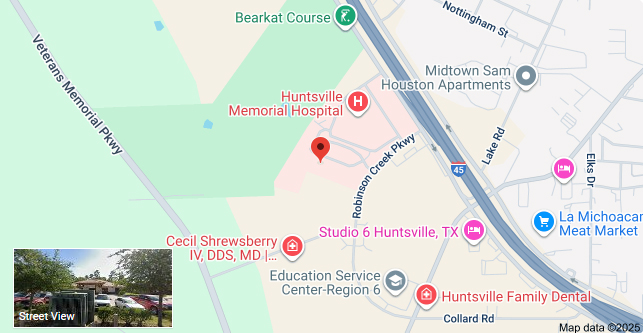
Colonoscopy Care in Huntsville, TX
Patients in Huntsville and surrounding communities such as Conroe, Trinity, and Madisonville often seek colonoscopy screening as part of routine preventive care.
Scheduling regular screenings with a digestive health specialist can help detect concerns early and support long-term gastrointestinal wellness.
If you live in the Huntsville area and have questions about colonoscopy screening or digestive health concerns, the Center for Digestive Disease provides specialized care for patients throughout the region.
You can find location details and appointment information here: https://www.woodlandsgastroenterology.com/huntsville/
Conclusion
Knowing when to get a colonoscopy is an important step toward protecting your long-term health. For most adults, screenings begin at age 45 and continue at recommended intervals based on personal risk factors and medical history.
If you are approaching screening age or experiencing digestive symptoms, consulting a gastroenterologist can help determine the best course of action.
Patients in Huntsville, Texas, who need guidance about colonoscopy screenings or digestive health evaluations can schedule a consultation with Center for Digestive Disease to discuss their symptoms, risk factors, and preventive screening options.